The difference between ReLEx SMILE and TransPRK

A question that is often asked is: what is the difference between the ReLEx Smile and TransPRK laser eye treatments?
Laser eye surgery
In order to answer this question properly, it is important to first explain what laser eye surgery is. With laser eye surgery, the curvature of the cornea is corrected with a high-tech laser. We can correct both a minus strength, plus strength and a cylinder with laser treatment.
The laser evaporates tiny layers of your cornea or loosens a layer from the environment. To make the cornea flatter or more curved. This gives your eye the right shape again so that the light falls perfectly on your retina and you can see clearly again.
There are 2 types of eye laser treatments, the deep treatments and the surface treatments. This is also the biggest difference between ReLEx SMILE and TransPRK. ReLEx SMILE is a deep treatment and TransPRK is a surface treatment.
Deep and surface treatment
The difference between these 2 types of treatment is that with a deep treatment the laser can reach almost directly where the eye shape needs to be adjusted; the stroma. With a surface treatment the outer part of the cornea, the epithelium, is removed first. After this the laser can do its work.
ReLEx SMILE
With the ReLEx SMILE treatment, a small piece of tissue, the lenticule, is removed with the laser. This piece of tissue is removed through a tiny opening in the cornea. This leaves the cornea almost completely intact, so you quickly regain your vision and experience little discomfort from the treatment.
TransPRK
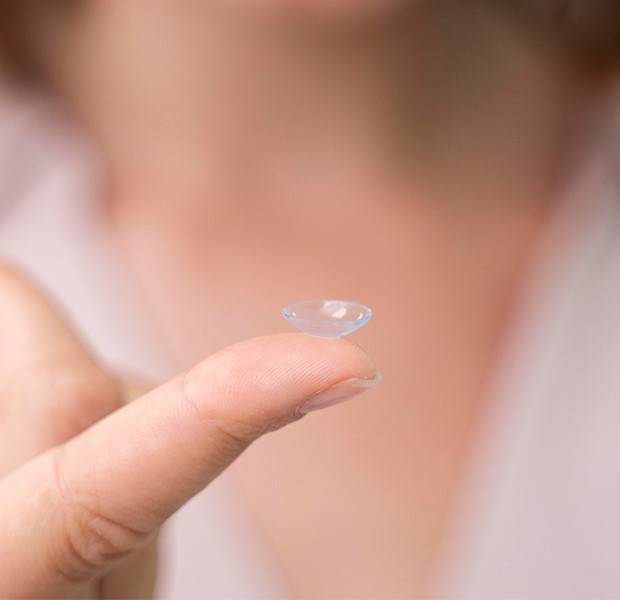
In the TransPRK treatment, the top layer of the cornea is removed with a laser. Then your vision is corrected in the stroma. Finally, you get a bandage lens on your eye that works like a kind of plaster. This is removed again during the first check-up. After 3 to 4 days, the removed layer has healed again.

Pros and cons
The biggest advantage of the ReLEx SMILE treatment is the recovery period. Because the top layer of the cornea remains intact, you can often do almost everything again after 2 days. When you get a surface treatment, you are often out of action for between 7 and 10 days.
Which treatment is right for you depends on various factors. For example, during the preliminary examination, the overall structure of your eye is examined, such as: your refractive error, cylinder, thickness of the cornea and the general health of your eyes. The most suitable treatment is then advised.
If you are suitable for multiple treatments, you can decide for yourself what you find important. A quick recovery or rather a slightly cheaper treatment. The surface treatments are financially more attractive. But the deep treatments are nicer in terms of comfort.
Curious? Then plan a completely free and non-binding preliminary investigation .